Workshop limits, stated plainly

Fabrication Capability What the Workshop Can Actually Hold

Not a list of past projects we cannot prove, but the equipment, tolerances and test capability behind a chimney order. These are the real limits, measured at the machine.

We are a fabricator in Jinan. What we put in front of you here is the workshop: what fits in the machines, what tolerance we hold, and what we test before a course leaves the floor. Those are the numbers that decide whether your chimney arrives straight.

Fabrication capability ranges
ParameterRange we buildSet by
Chimney height8–245 mStructural type and site wind load
Shell plate thickness6 mm – 40 mmThree-roll bender capacity
Shell diameterØ 0.5 m – Ø 4.5 m (single ring)Welding rotator capacity
Course lengthUp to 3 000 mm rolled; longer by longitudinal seamPlate width and rolling width
Single piece weight1 t – 120 t per stack, up to 32 t per pieceOverhead crane, 2 × 32 t
Trial assembly heightUp to 40 m assembledTrial assembly yard
Coating systemISO 12944 C3 / C4 / C5-M, up to 400 micron total DFTBlast line and painting bay

A requirement outside this table is not a refusal — it is a conversation about segmentation, subcontracting or a different structural type. We will say which.

Tolerances

The Numbers That Decide If It Stands Straight

Fabrication tolerance is where cheap quotes hide. These are the values we hold and record, and they are stated in our ITP for every order.

ItemTolerance we holdHow it is checked
Course circularityTemplate gap ≤ 2 mm over a chord of 1/6 diameterSteel template at both ends of each course
Peaking (local flat spot)≤ 3 mm over a 300 mm gauge lengthStraight edge and feeler gauge
Longitudinal seam misalignment≤ 10 % of plate thickness, max 3 mmFit-up inspection before welding
Circular seam misalignment≤ 10 % of plate thickness, max 3 mmFit-up inspection, recorded per seam
Total plumb over full height≤ H / 1000 in trial assemblyPlumb survey in the assembly yard
Flange hole alignmentMatched in pairs before coatingPhysical trial fit of the mating flange
Coating DFTNot less than 80 % of specified, average at or above specifiedMagnetic gauge, one set of readings per 10 m²
Process Capability

Welding, Testing and Coating

Welding

  • Processes — SAW for longitudinal and circular seams, FCAW and GMAW for site and restricted positions, SMAW for tack and repair
  • WPS/PQR library — qualified on Q235, Q355, Q345, 304, 316L and 2205 duplex, plate 6–40 mm
  • Welders — qualified to AWS D1.1 for the positions actually used, records kept per welder ID
  • Traceability — every seam carries the welder's stamp on the record drawing

Testing

  • UT — 100 % on critical full-penetration seams, 20 % elsewhere as standard
  • RT — on specified T-joints and cross seams
  • MT / PT — fillet welds, attachment welds and all repaired areas
  • Holiday test — spark test on isolating linings, 100 % of coated internal surface
  • Personnel — Level II certificates for UT, RT, MT and PT
Ultrasonic testing of a chimney shell weld
Ultrasonic testing before coating, not after.
Honest Position

Where We Are, and What That Means for You

We are a Chinese chimney fabricator, and we are building our export record project by project. Here is how that works in your favour:

  • You get more attention — your stack is not project number 40 in a queue; the engineer who prices it follows it through production
  • You can inspect everything — come to the workshop, or send a third party. We would rather be audited before the order than trusted without evidence
  • You get the drawings first — nothing is cut until your engineer has signed the calculation and detail drawings
  • You get it in writing — tolerances, NDT percentages, coating system and warranty are stated in the contract, not promised in a brochure
  • Price reflects position — a fabricator building a record quotes leaner than one with a full order book

What we will not do

We will not put a country, a tonnage or a client name on this page that we cannot show you the paperwork for. If you ask for references on a specific type of stack, we will tell you honestly whether we have one.

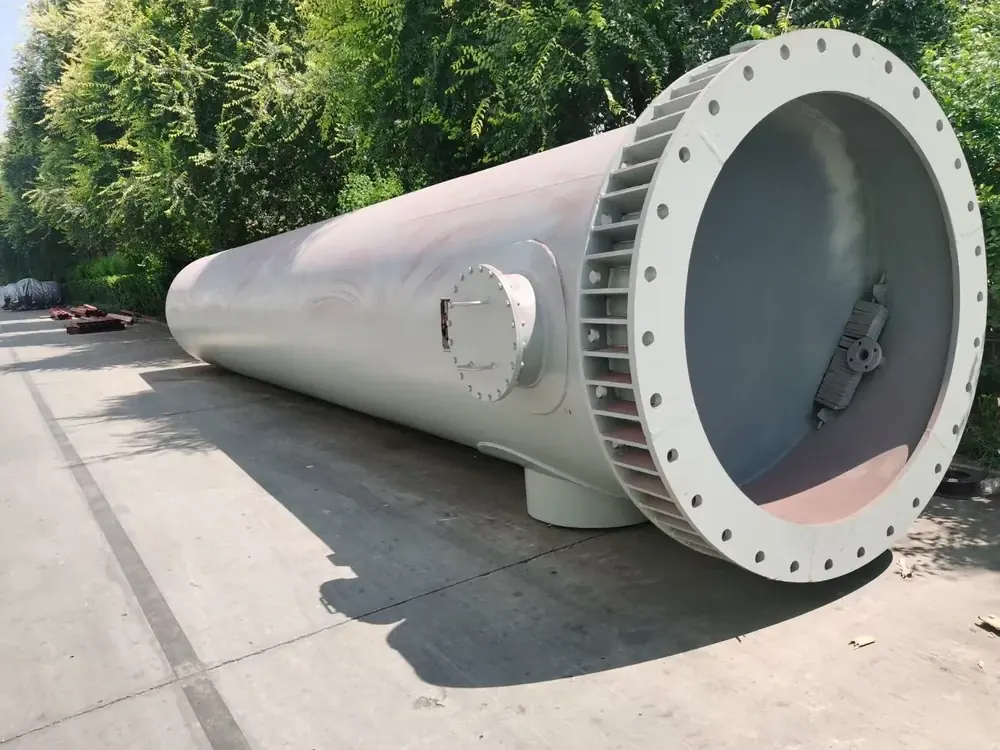
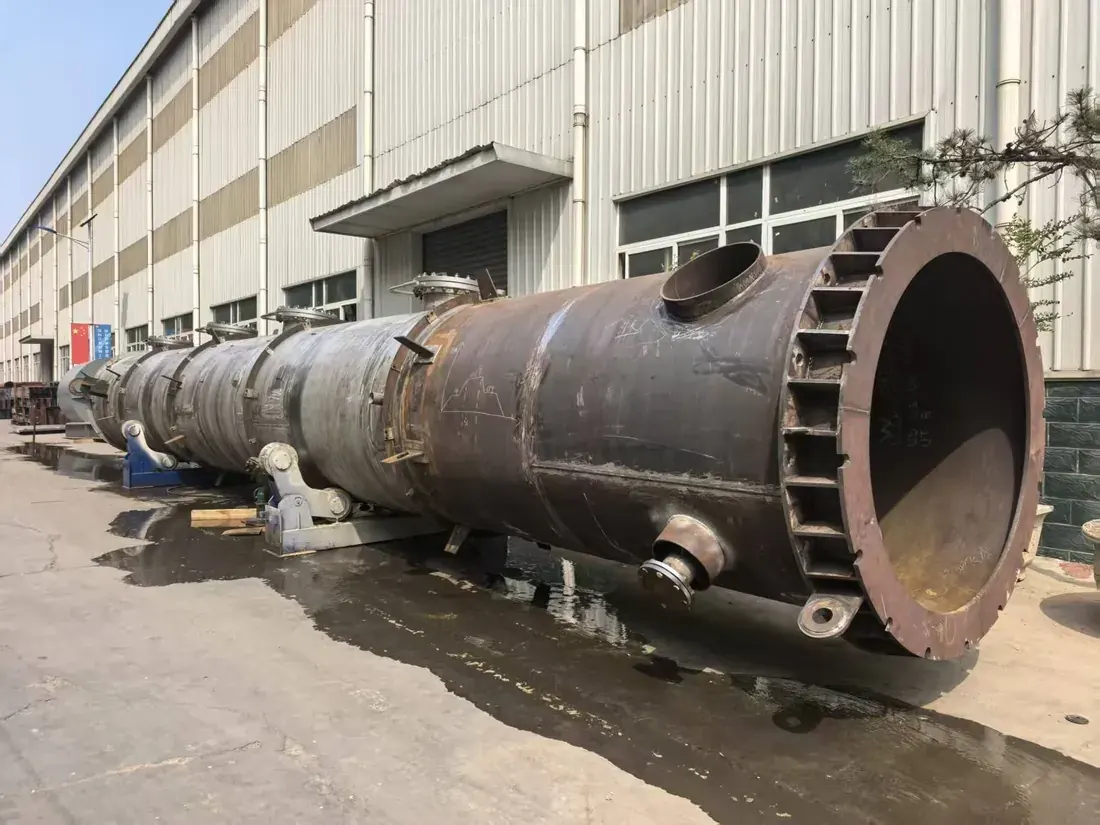
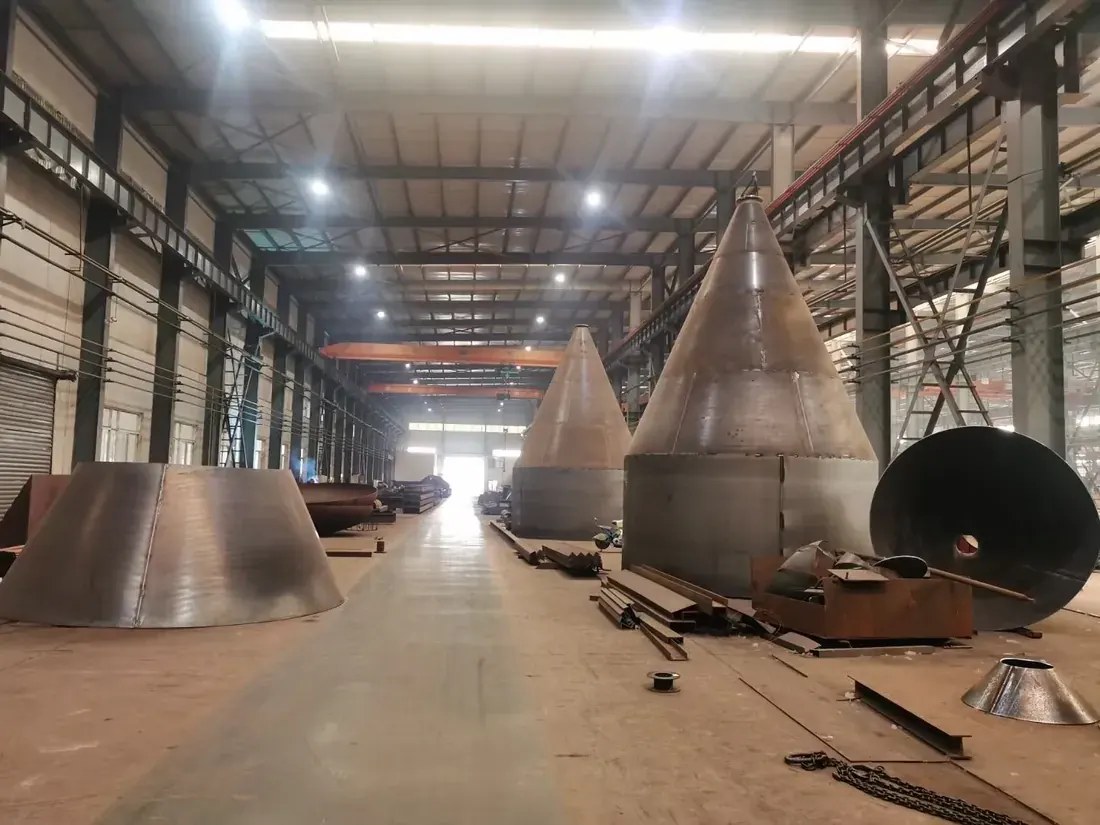
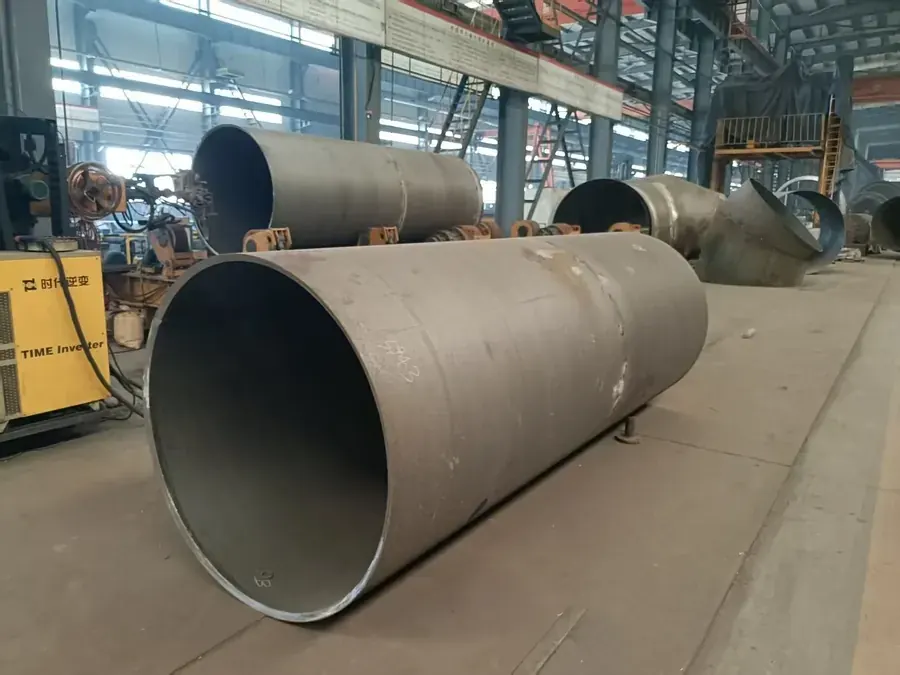
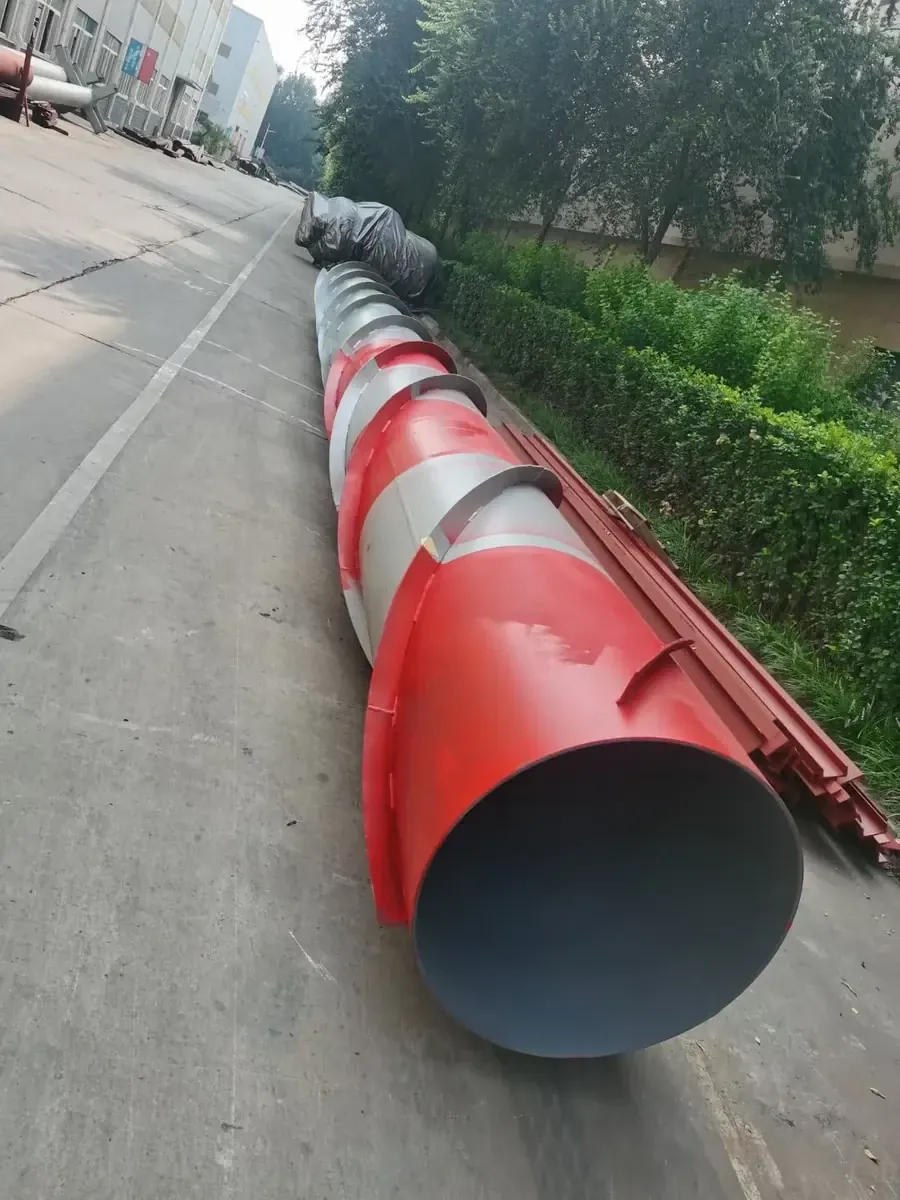
Fabricated chimney sections on the workshop floor
The workshop is the reference. Come and check it.
De-Risking

How to Buy From a Fabricator You Have Not Used Before

This applies to us and to anyone else. It is how a serious buyer protects a chimney order.

01

Audit first

Visit the workshop or appoint SGS / BV / TÜV to audit it before you sign. Cost is small against the stack.

02

Approve drawings

Make the calculation report and detail drawings a contractual hold point. Nothing is cut before signature.

03

Set hold points

Agree in the ITP where the inspector stops the job: material, fit-up, NDT, coating, trial assembly.

04

Pay against milestones

Link payment to inspection releases rather than to calendar dates. It aligns both sides.

We will happily work to all four. If a supplier resists this structure, that is the answer to your question about them.

Documents

What Ships With Every Order

  • Design — structural calculation report, general arrangement, detail drawings
  • Material — mill certificates for every plate and section, traceable to piece marks
  • Welding — WPS/PQR for each joint type, welder qualification records
  • Inspection — signed ITP, UT/RT/MT/PT reports, dimensional and plumb reports
  • Coating — blast grade, salt test, DFT readings, product data sheets
  • Packing — packing list with piece marks, weights, centre of gravity and lifting points
  • Installation — erection drawing, lifting sequence, bolt list

Ask for a sample document set

Coated chimney sections ready for packing
Coated, marked and inspected before packing.
Reference

Domestic References

Three stacks in China, on three different duties, all built for the same chemical plant in Shanxi. We do not publish the client name, and we do not publish a tonnage we have not checked against the production record — but the specs we hold, we hold.

Client / sector
A chemical plant, Shanxi Province, China — name withheld
Scope
Fabrication of steel stacks, platforms and monitoring access
Contract range
Manufacture only, or design + fabrication. Lining and coating in scope. Site erection by others.
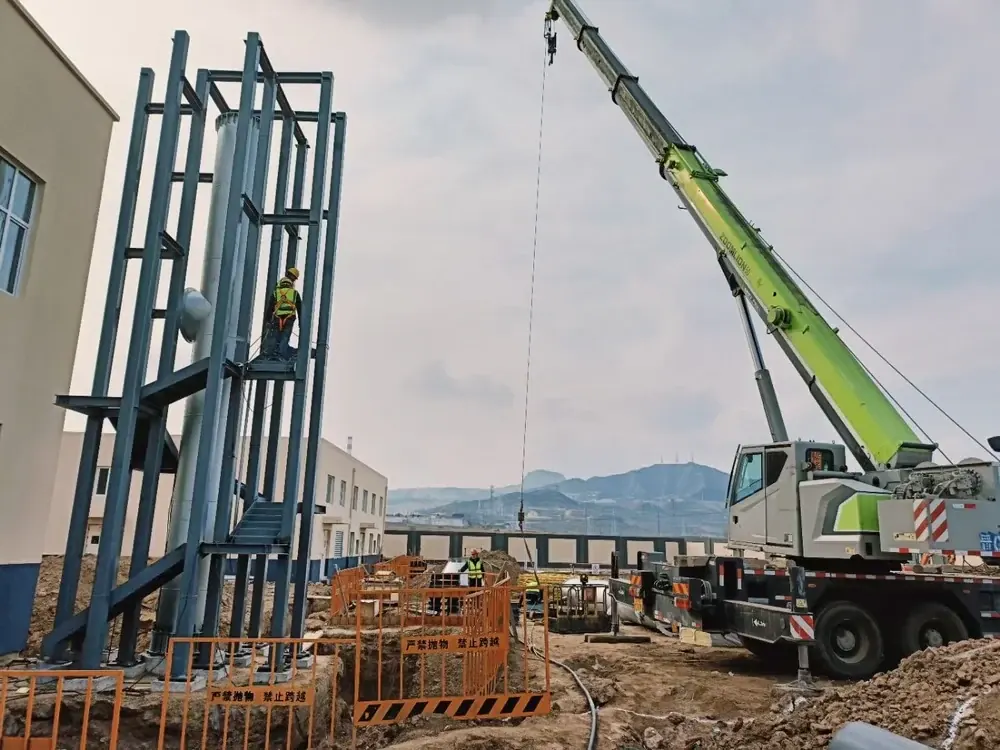
Gas-fired boiler steel chimney being lifted into place
Gas-fired boiler stack · with steel platforms

Gas-fired boiler steel chimney & steel platform

A gas-fired boiler stack with the access platforms and steel structure that go with it. Dry flue gas, so the corrosion case is thermal and external, not condensate.

  • Structure — self-supporting shell, platform brackets welded at shop
  • In scope — shell, platforms, lining and coating
  • Executed — Shanxi chemical plant, China
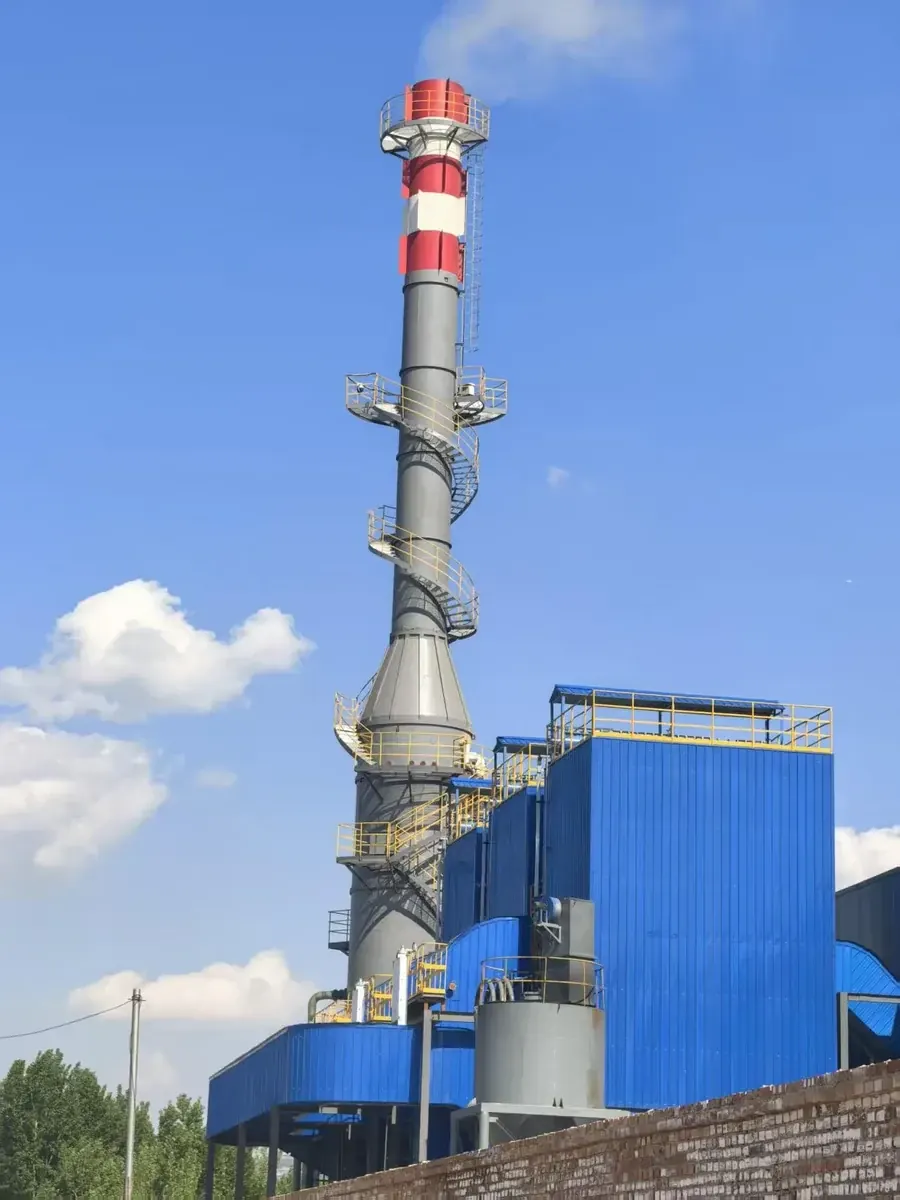
Steel chimney and monitoring platform for a pyrometallurgical workshop
Pyrometallurgical workshop · with monitoring platform

Steel chimney & monitoring platform, pyrometallurgical workshop

Process flue gas from a pyrometallurgical (furnace) workshop, with a monitoring platform positioned for the sampling port. Hot, dirty duty — the shell thickness and the lining are set by the gas, not by aesthetics.

  • Structure — self-supporting shell, monitoring platform with sampling access
  • In scope — shell, platform, lining and coating
  • Executed — Shanxi chemical plant, China
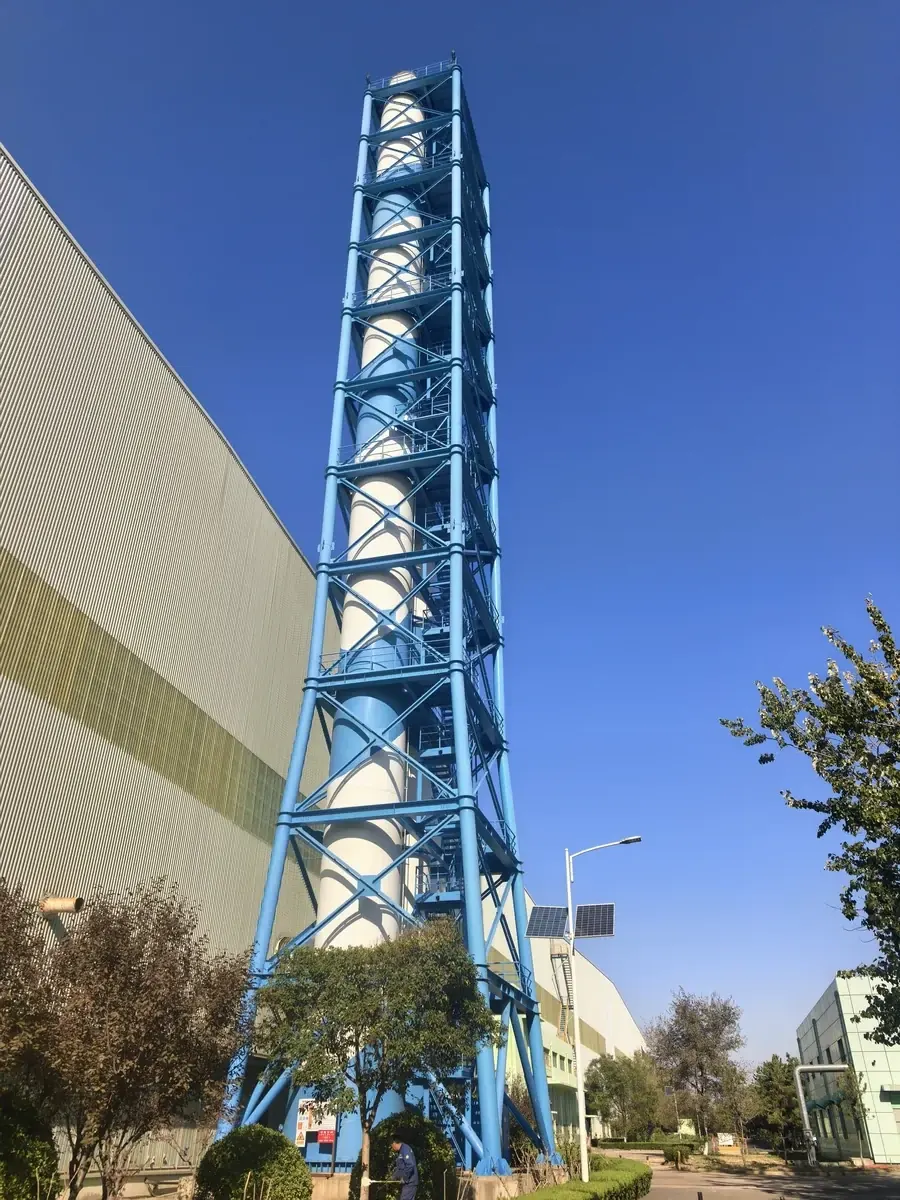
Tower-supported chimney for an electrostatic precipitator
ESP tower-supported stack

Tower-supported chimney for an electrostatic precipitator

Where the stack cannot stand on its own base — because of height, wind load or the footprint over the ESP — it is carried by a braced steel tower. Fabricated as one package so the shell and the tower fit each other.

  • Structure — braced tower with internal flue, shell carried by the tower
  • In scope — tower, shell, lining and coating
  • Executed — Shanxi chemical plant, China
Erected tower-supported chimney
Tower-supported stack on site — the tower carries the shell, the shell carries the gas.
Bolted flanges on a fabricated chimney shell
Shop-mated flanges. Holes are matched in pairs before coating, so the seam closes on site.

What we have actually built, in numbers

Stack height
8 – 245 m
Shell diameter
Ø 0.5 – Ø 4.5 m
Piece / stack weight
1 – 120 t
Erection
Not included — we fabricate, the site erects

These are the limits we have delivered to, not a marketing range. A stack outside them is a conversation, not a refusal.

Stack types we fabricate: gas-fired boiler, coal-fired boiler house, ESP tower-supported, heating stove, coal-fired stainless steel, and titanium-clad plate. Send the flue gas condition and boiler rating and we will tell you which type fits, and which of them we have built before.

Full detail on each type — materials, lining and when to choose it — is in the chimney types section.

Next Step

Send Your Chimney Spec —
Response Within 24 Hours

Our engineers review every enquiry personally. Attach a drawing or just describe the plant — we will come back with a technical proposal and a priced offer.

  • Drawings or applicable standard
  • Quantity / number of stacks
  • Destination port
  • Flue gas condition
  • Required delivery date
  • Payment terms